
Textile certificates
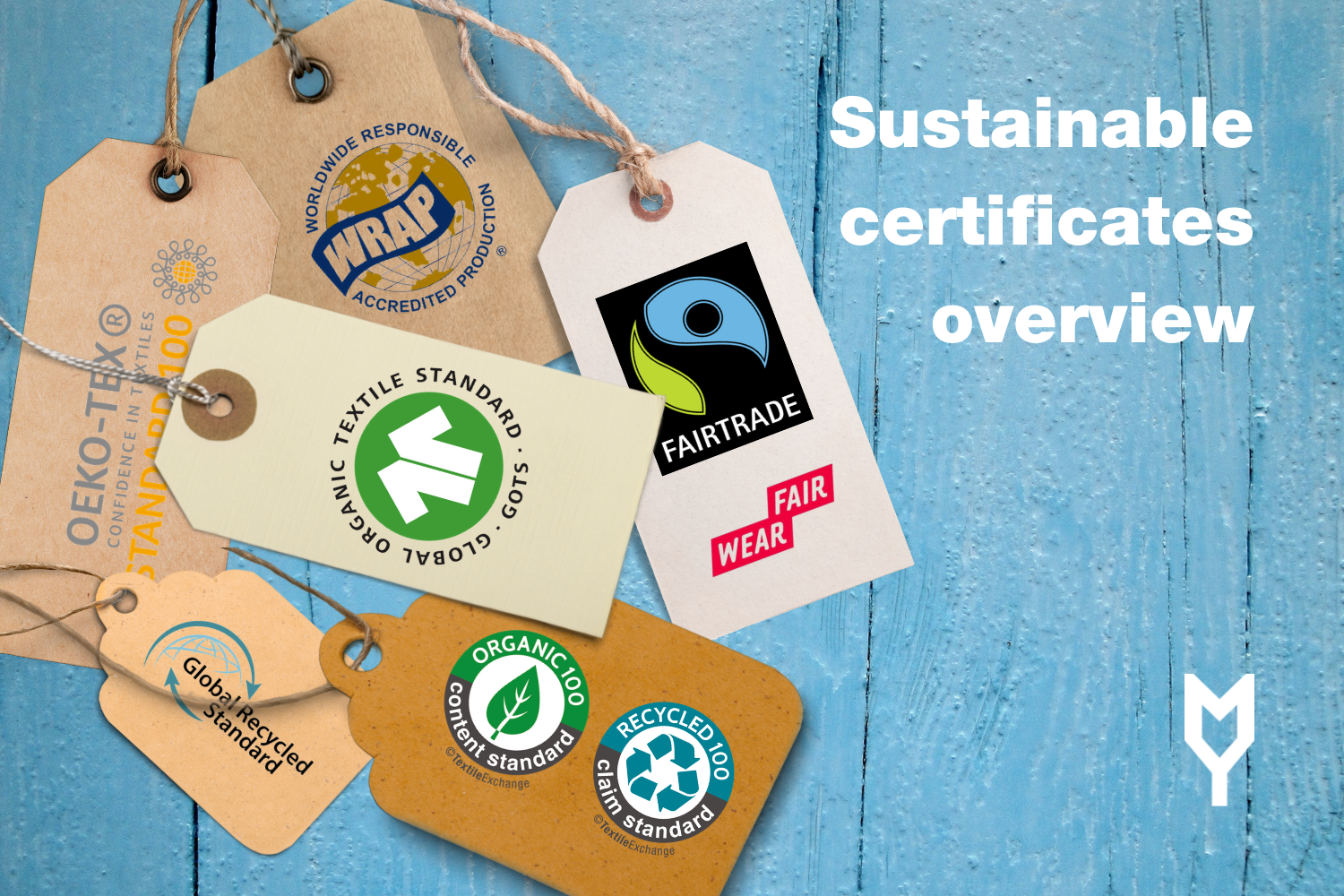
We have prepared an overview of the best-known sustainability certifications for you. You will learn what each label guarantees, how to navigate them, and why they matter for your health and the environment.
The journey of a textile from cotton cultivation to the final T-shirt is a long one. To save you from having to investigate every single step of production yourself, certification authorities regularly check compliance with environmental and ethical standards on your behalf.
Quick Overview: 5 Categories of Sustainability
Certifications assess textiles based on five main pillars. Some certifications cover only a single pillar, while others encompass all of them.
organic │ recycled │ production │ social │ animals

- Organic Material: Cultivation without the use of harmful synthetic chemicals and pesticides.
- Recycled Material: The use of recycled fibers to reduce waste generation.
- Eco-friendly Production: Minimization of water and energy consumption, and elimination of toxic substances during dyeing and finishing.
- People and Ethics: Fair remuneration, safe working conditions, and the prohibition of child or forced labor.
- Animal Welfare: Products free of animal-derived components and not tested on animals.
Certifications reveal how products are actually made –
so you can choose what your purchase supports.
Main Textile Certifications and Their Standards
1 GOTS Global Organic Textile Standard

Main Focus: Organic material, eco-friendly production, people and ethics.
What it guarantees: The world's strictest standard for processing organic fibre textiles. It prohibits the use of heavy metals, hazardous chemicals, and toxic dyes. It requires ethical working conditions and responsible management of water and waste.
Current Standards: Version GOTS 7.0 has been in effect since 2023, tightening requirements for environmental management, social criteria, and supply chain transparency.
Label Levels
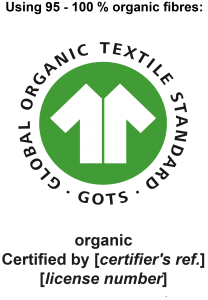
- Organic: Minimum 95% organic fibers.
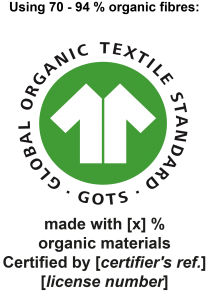
- Made with X% organic: Minimum 70% organic fibers.
Key Brands Available: Stanley/Stella, Malfini, EarthPositive, Neutral, Russell Pure Organic.
2 OCS Organic Cotton Standard

Main Focus: Organic material.
What it guarantees: Traces the path of organic material from the certified farm to the final product. It focuses exclusively on verifying the content of organic fibers (it does not address social conditions or chemical processing).
Label Levels
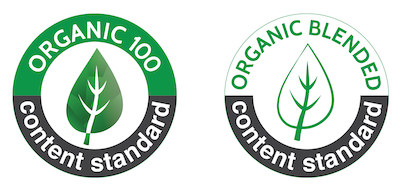
- OCS 100: Contains 95 – 100% organic material.
- OCS Blended: Contains 5 – 95% organic material blended with other fibers.
Key Brands Available: B&C, Mantis, Salvage, Stedman, SOL'S.
3 OEKO-TEX Standard 100

Main Focus: Eco-friendly production, health safety.
What it guarantees: Tests for the presence of harmful and toxic substances across all stages of production (including threads, buttons, and zippers). It guarantees that the textile is 100% health-safe and secure for human skin.
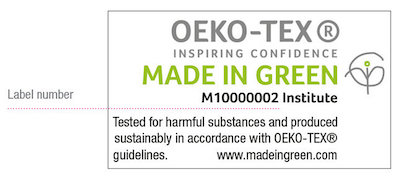
Additional Label: MADE IN GREEN by OEKO-TEX additionally guarantees that the product was manufactured in environmentally and socially responsible conditions.
Key Brands Available: Stanley/Stella, EarthPositive, Neutral, Gildan, SOL'S.
4 GRS & RCS Global Recycled Standard & Recycled Claim Standard

Main Focus: Recycled material, eco-friendly production (for GRS), people and ethics (for GRS).
What they guarantee
- RCS: Verifies the exact share of recycled material in the product (RCS 100 for 95 – 100%, RCS Blended for 5 – 95%).
- GRS: Requires a minimum of 50% recycled content and strictly controls environmental impacts, chemical prohibitions, and social conditions in production.
Key Brands Available: Stanley/Stella, Salvage, Beechfield, Mantis, Atlantis.
5 Fair Wear Foundation & Fairtrade

Main Focus: People and ethics.
What they guarantee
- Fair Wear Foundation: An independent organization improving conditions in garment factories. It monitors fair wages, workplace safety, and the prohibition of child labor and discrimination.
- Fairtrade: Focuses on fair trade conditions and fair purchasing prices for cotton farmers in developing countries.
Key Brands Available: Stanley/Stella, EarthPositive, Fair Share, Neutral, Westford Mill.
6 PETA-Approved Vegan

Main Focus: Animal welfare.
What it guarantees: A certificate granted by the non-profit organization PETA. It guarantees that the product contains no animal-derived components (leather, wool, silk) and has not been tested on animals.
Key Brands Available: Stanley/Stella, EarthPositive, Salvage, B&C, BabyBugz.
7 WRAP & amfori BSCI

Main Focus: People and ethics, social responsibility.
What they guarantee: Global audits and initiatives that oversee compliance with laws, human rights, workplace safety, and fair compensation across supply chains.
Key Brands Available: Gildan, AWDis, Russell Pure Organic, Stedman.
Certification Comparison Table
| Certificate | Organic material | Recycled material | Eco-friendly production | Ethics and human rights | Without animal ingredients |
|---|---|---|---|---|---|
| GOTS | ✓ | ✕ | ✓ | ✓ | ✕ |
| OCS | ✓ | ✕ | ✕ | ✕ | ✕ |
| OEKO-TEX 100 | ✕ | ✕ | ✓ | ✕ | ✕ |
| GRS | ✕ | ✓ | ✓ | ✓ | ✕ |
| RCS | ✕ | ✓ | ✕ | ✕ | ✕ |
| Fair Wear | ✕ | ✕ | ✕ | ✓ | ✕ |
| Fairtrade | ✓ | ✕ | ✓ | ✓ | ✕ |
| PETA-Vegan | ✕ | ✕ | ✕ | ✕ | ✓ |
✓ = the certification covers this area • ✕ = it does not address this area. On mobile, swipe the table to the left.
Why Do Certified Textiles Matter?
Current European Union regulations (including anti-greenwashing directives) require brands' environmental claims to be backed by verifiable data. Certifications provide an independent guarantee that the clothing you wear:
- Contains no hazardous chemicals and is safe for your skin.
- Was produced with respect for the environment and renewable resources.
- Was created under dignified and fairly compensated working conditions.
Choosing the right textiles is not just about looks or comfort; it is also about the story and values you support with your purchase. Monitoring textile certifications gives you the assurance that you are investing in products that are safe for your health, gentle on nature, and produced under fair conditions. Thanks to independent standard controls, you maintain full control over the impact your wardrobe or corporate merch has on the world around us.